
9 Must-Visit Classic Attractions in Wuhu
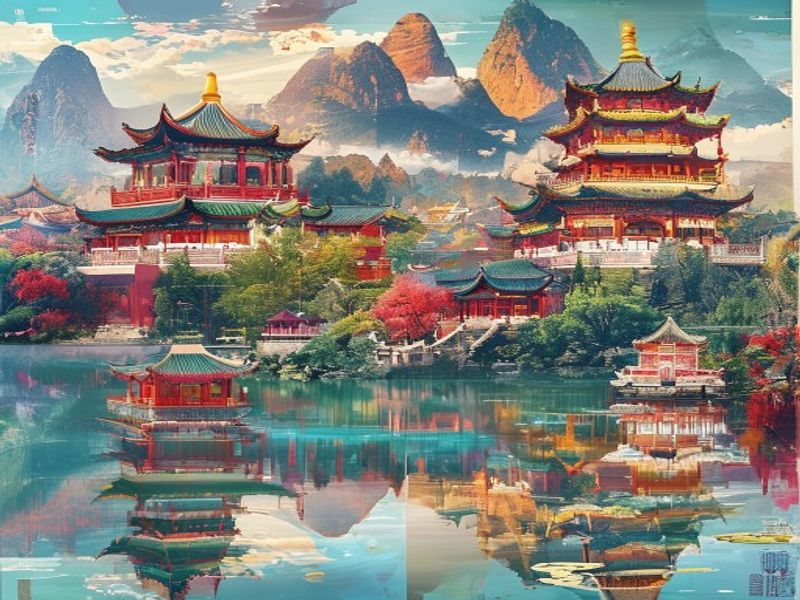
Wuhu, historically known as Jiuzi and nicknamed “River City,” is a prefecture-level city in Anhui Province. Located in the middle and lower reaches of the Yangtze River, with the southern Anhui mountain range to its south and the Jianghuai Plain to its north, it serves as a central city in the Yangtze River Delta region. Known as the “Famous City of Jiangdong,” Wuhu has earned the reputation of “Half City Mountains, Half City Waters” due to its beautiful landscapes, crisscrossing rivers, and scattered lakes.
Here are nine classic attractions you shouldn’t miss when visiting Wuhu:
1. Fantawild Tourism Resort ⭐⭐⭐⭐⭐
Wuhu’s most famous 5A-rated theme park destination. The resort features four distinct theme parks: Fantawild Adventure, Fantawild Dreamland, Fantawild Water Park, and Fantawild Oriental Heritage. Each park offers unique experiences from thrilling rides to cultural performances, making it a comprehensive leisure destination.
2. Tianmen Mountain
Also known as Dongliang Mountain, Tianmen Mountain consists of two peaks facing each other across the river. Standing majestically in the Yangtze River like a knife-cut cliff, it’s famous for its unique mountain shape and the “Tianmen Mist and Waves” scenery. The mountain features Tianmen Academy (one of Anhui’s earliest academies dating to the Southern Song Dynasty), Tongfo Temple, and glass skywalks.
3. Maren Peak
Known as “Zhangjiajie of Southern Anhui” and “Little Huangshan by the River,” Maren Peak features bizarre peaks, steep cliffs, stone pillars, caves, and ancient trees. The scenic area includes Maren Temple, Longevity Cave, Hundred Waterfalls, nanmu forests, geological museum, and the spectacular Dragon Flying Glass Bridge spanning between peaks.
4. Zheshan Park
Named after its distinctive reddish-brown (zhe-colored) rocks, this park was formerly known as Wuhu Park. Composed of two hills with dense forests and numerous historical sites, it integrates leisure, hiking, and exploration. The park contains Guangji Temple, the tomb of famous educator Liu Xiping, and the tomb of General Dai Anlan, a hero of the Anti-Japanese War.
5. Jiuzi Ancient Town
Located along the Bianfu River, this is actually Anhui’s largest ancient town. Founded in the Southern Song Dynasty and flourished during the Ming and Qing dynasties, it features numerous Hui-style buildings and merchant culture. The town is divided into east and west sections by the river, with the east offering dining and accommodation, while the west preserves guild halls, academies, and celebrity residences.
6. Jinghu Park
Wuhu’s central urban park, located near Zheshan Mountain and the Qingyi River. The lake is clear and mirror-like, giving the park its name (Mirror Lake). Composed of Big and Little Mirror Lakes, the park features pavilions, bridges, and historic sites including the statue of Xiao Yunchen, the Aying Library, and the Wang Buwen Memorial Pavilion. It’s considered one of the “Eight Scenic Views of Wuhu.”
7. Binjiang Park (Riverside Park)
Stretching along the Yangtze River from Wuhu Shipyard to Lugang Bridge, this park combines old docks with river views. Known as the “Bund of Wuhu,” it features historic buildings including the Old Customs House, churches, Taikoo Dock, and Zhongjiang Pagoda (built in the Ming Dynasty, known as “Hibiscus on the River”). The park showcases both historical heritage and modern architecture.
8. Zhongshan Pedestrian Street
Established in 1902, this is one of China’s three great pedestrian streets alongside Beijing’s Wangfujing and Shanghai’s Nanjing Road. As the former leading rice market and early treaty port, Wuhu created one of China’s earliest commercial streets. The 700-meter street features shopping, dining, and entertainment, representing the city’s commercial prosperity.
9. Xihe Ancient Town
Located on the west bank of the Yi River, this town dates to the Hongwu era of the Ming Dynasty. It flourished as a commercial hub for merchants traveling to Wuhu from southern Anhui. The town preserves traditional workshops, old shops, and historic sites including Wannian Stage and Wenchang Pavilion. The riverside dwellings built on stilts are known as “Jiangnan Stilt Houses.”
Whether you’re interested in natural scenery, historical culture, or modern entertainment, Wuhu offers diverse attractions that showcase the charm of this riverside city.